Fun fact: you can screen share or schedule a meeting from a Teams group chat.
It’s hidden in the ellipsis next to the add person icon. I don’t think this was always the case.
There are multiple ways to talk with multiple people in Teams. You can create a Team. You can create a Channel. You can create a Private Channel. You can create a Shared Channel. You can embed a Whatsapp group chat as a website tab inside a Team created specifically for that purpose, where only you are a member.
The pros and cons of these can, and in fact does, fill a book (though the book doesn’t explore that last scenario in detail).
Group chats have fewer features than Teams, or channels within Teams, but sometimes a group chat is the best, lightweight tool for getting things done. It’s nice to know they’re good for quick communication and also easily enable sharing screens or organizing a meeting within the group if necessary.
In this interview with Stripe CEO Patrick Collison, he notes that technology companies are more frequently utilities (how do I get this car to show up now?) or entertainment (how do I get this show now?), and less a bicycle for the mind as early tech-visionaries dreamed for the future of computers.
I’m starting a new project, which has required a lot of new learning. As a result, I’m reflecting on the tools I use to augment my learning.
OneNote
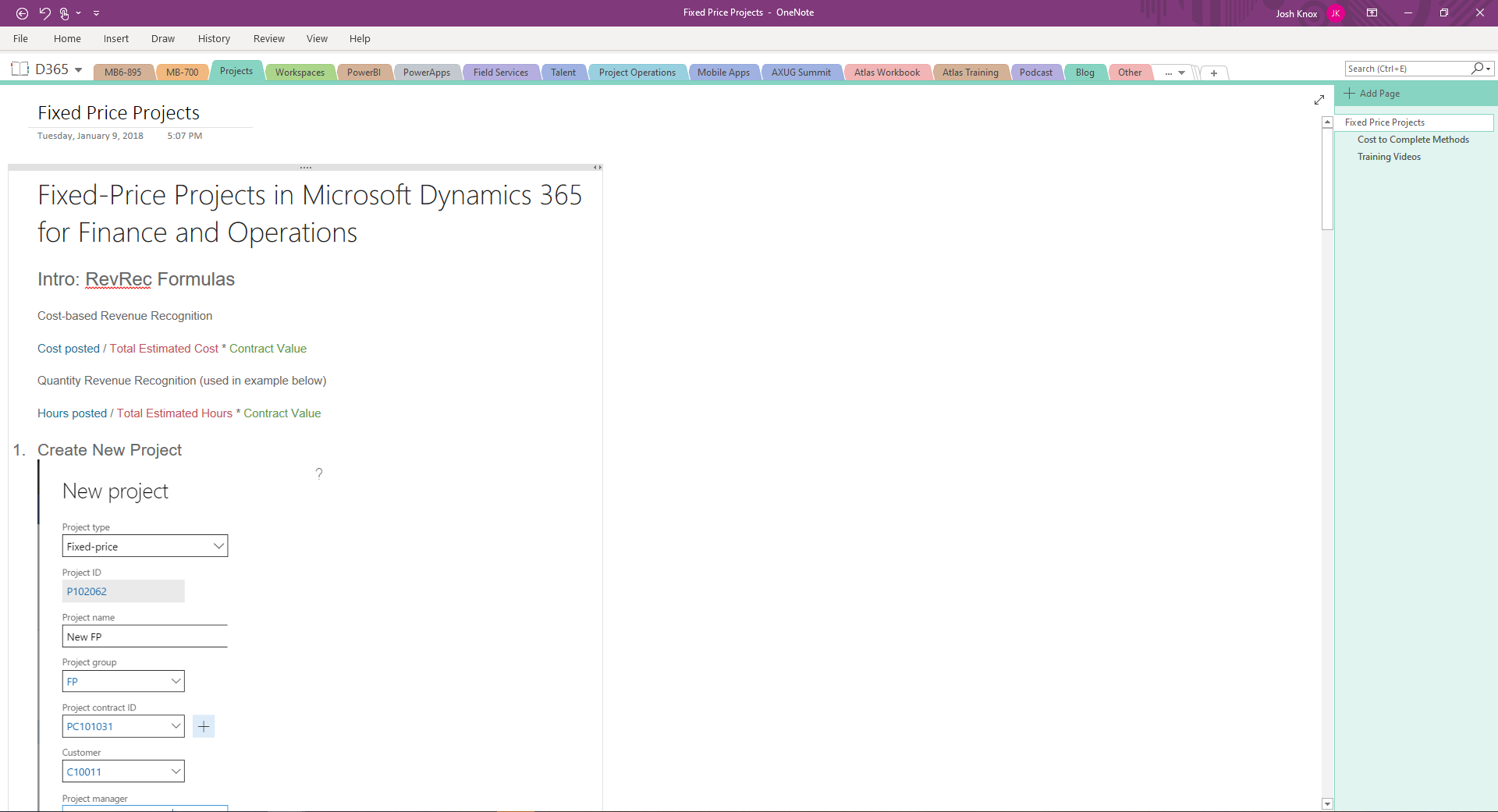
I don’t have a photographic memory. To compensate, I use OneNote a lot. I have OneNotes for projects, I have personal OneNotes, I even have a big OneNote where I document new D365 functionality I’m learning. The process of notetaking helps me concentrate on the subject matter – as an added benefit it builds searchable knowledgebase. I like to think of well structured OneNotes as an investment in my future self.
Teams
I wrote about Microsoft Teams in April (see here and here), but the product has continued to approve this year. Teams are a great place to collaborate in groups, share files, and keep stakeholders up to date. Not to mention its power as a scheduling/meeting/video-conferencing platform.
Add OneNote to a Team
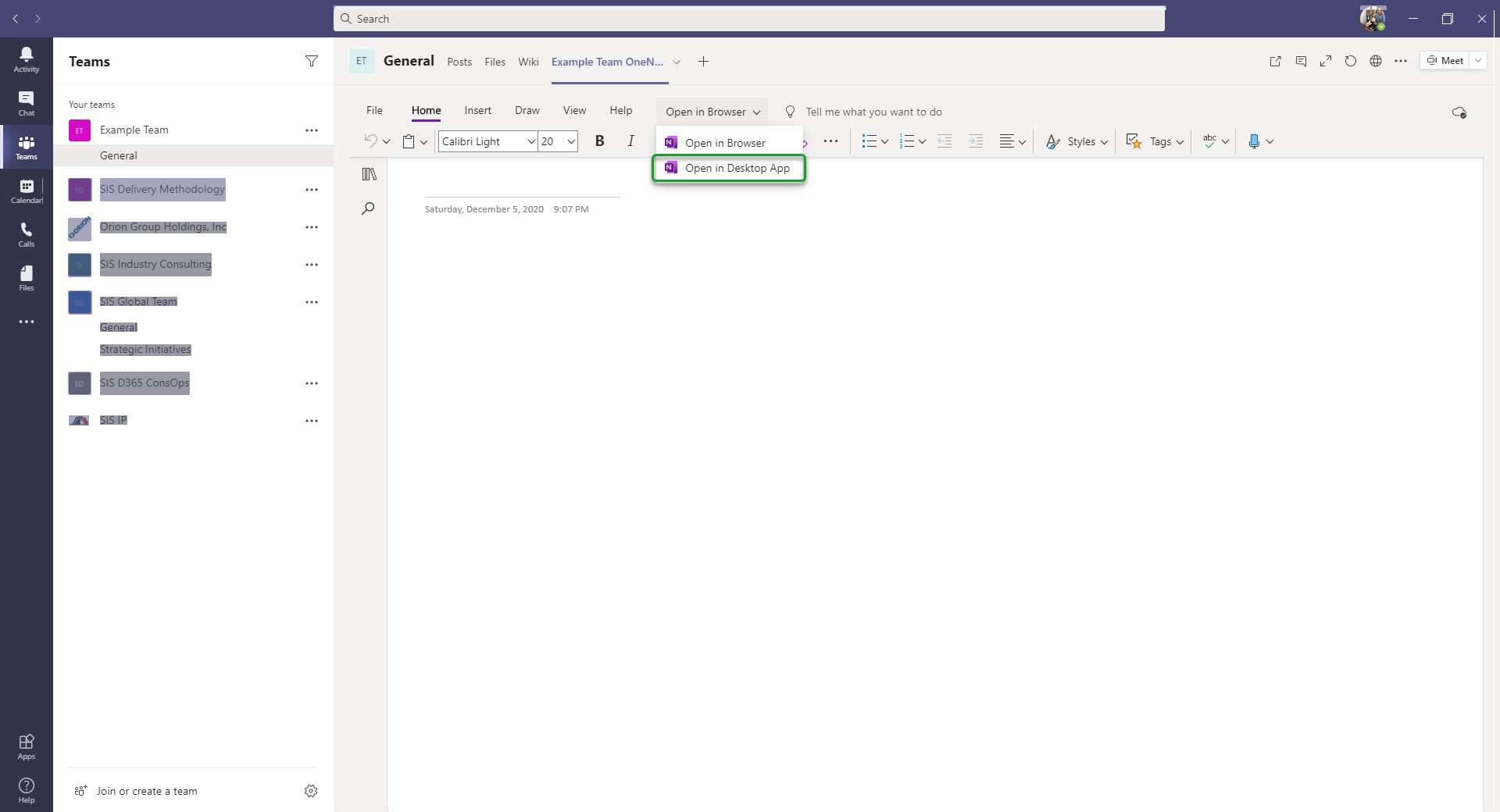
Following up on my love on OneNote, the only thing better than making OneNotes for yourself is making OneNotes as part of a group. In Teams, a OneNote can be added to a tab for easy group access. The OneNote can be edited within Teams, as well as opened for editing in the OneNote desktop app.
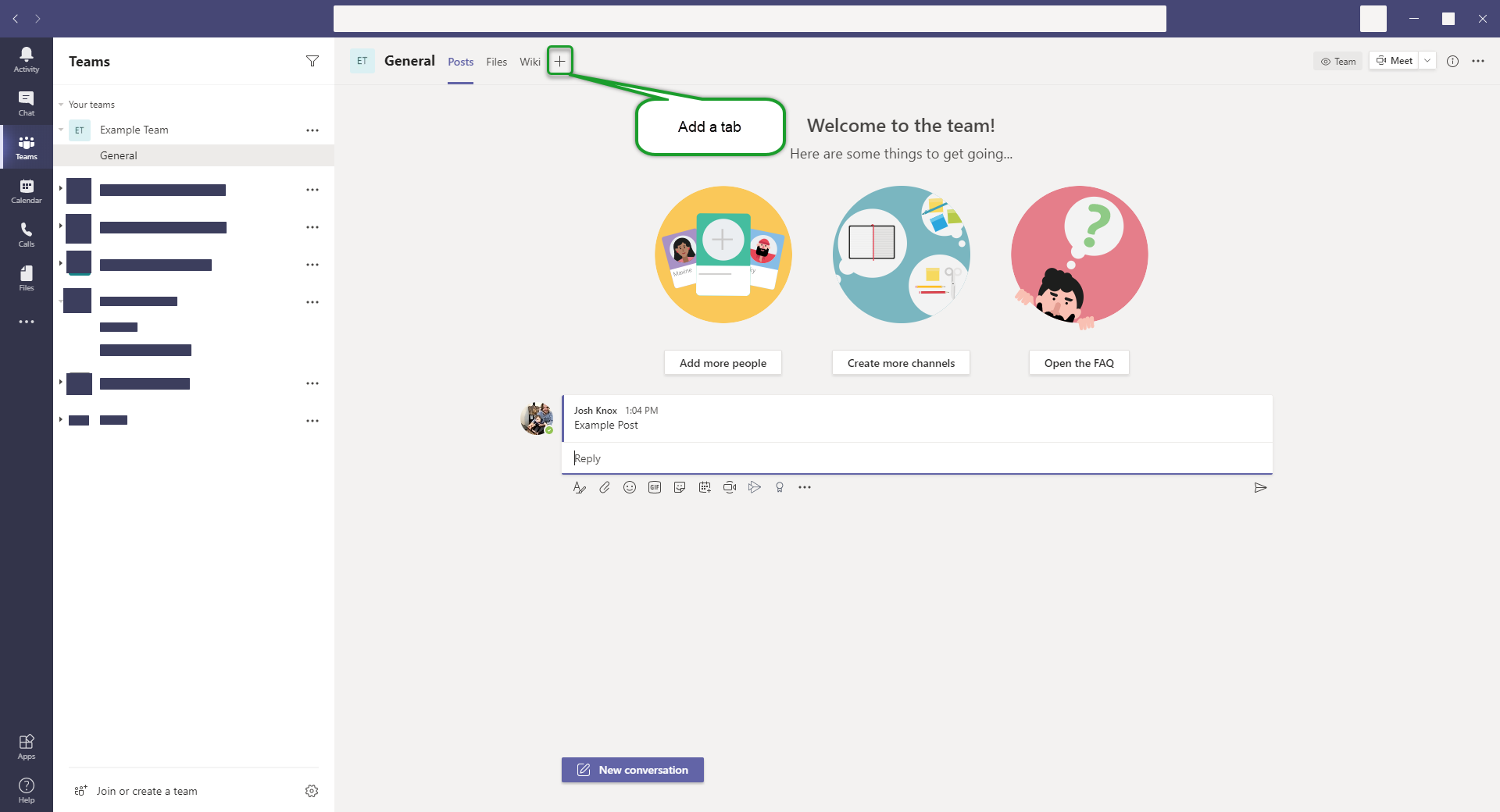
Click the plus sign to add a tab
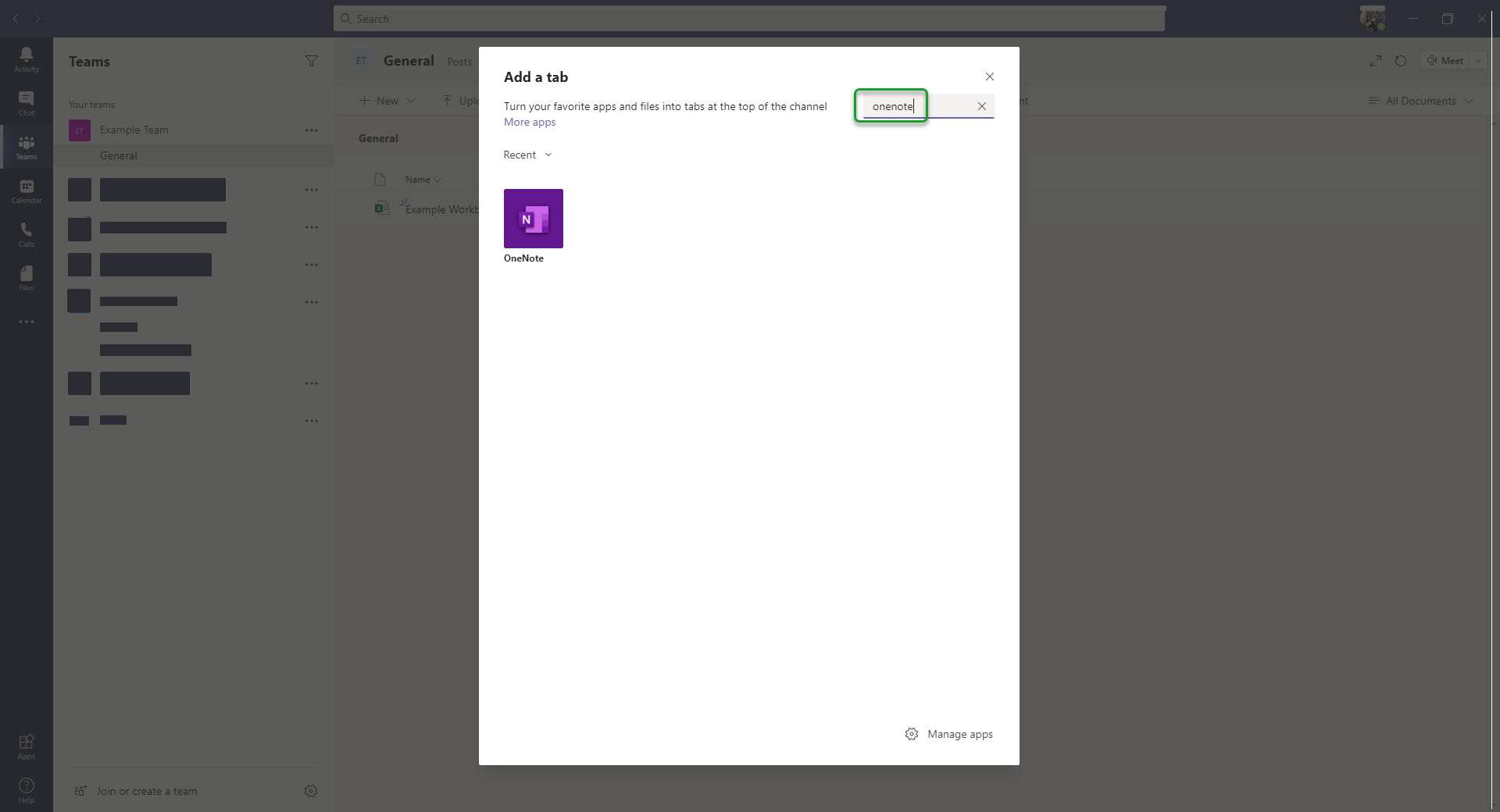
Search for the OneNote application, then select the specific OneNote to be added
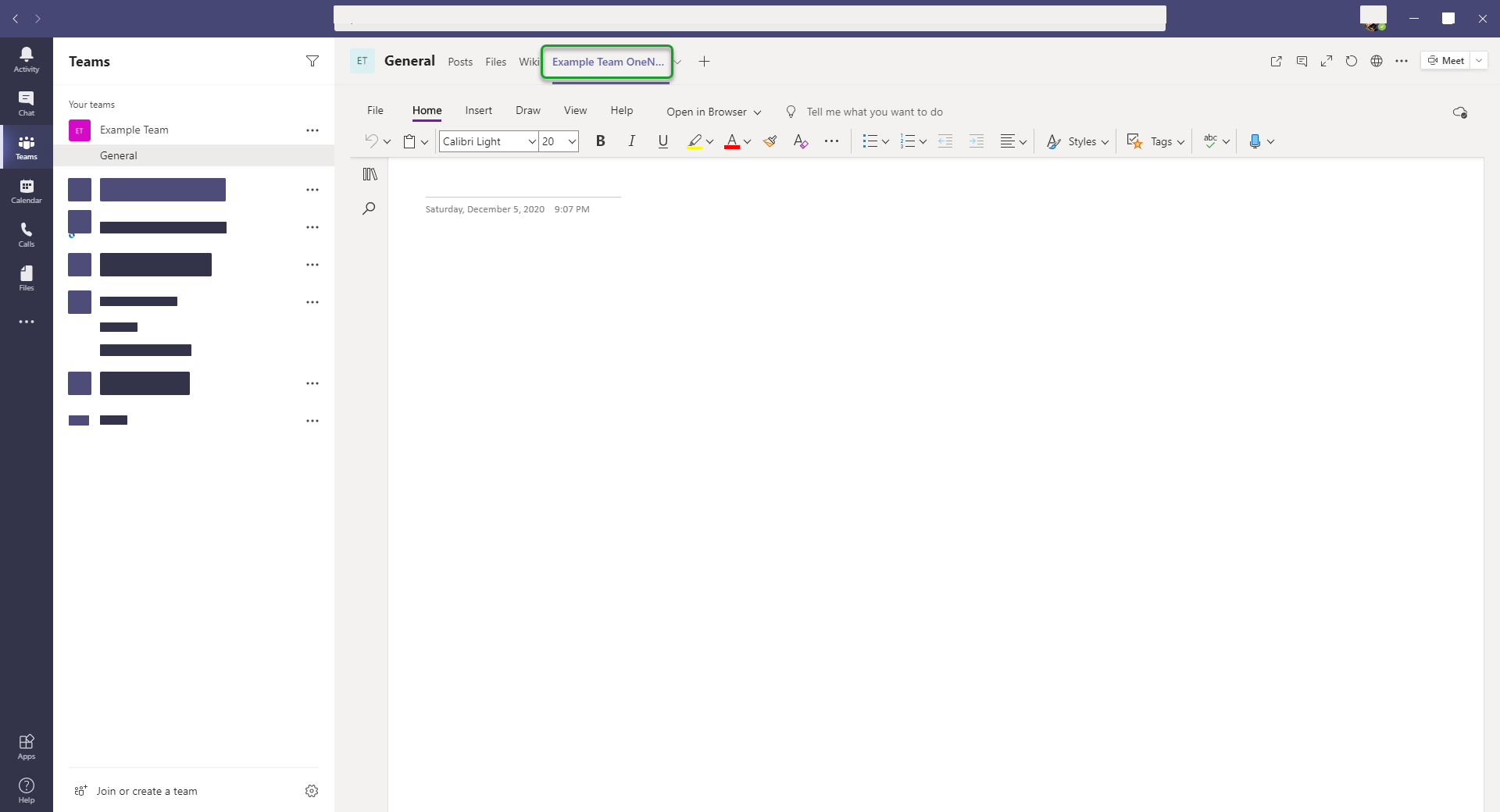
The OneNote can now be accessed through Teams
Clicking Open in Browser, the OneNote can also be opened in the desktop app.
Hooray.
I like having access to the OneNote through the desktop application because the features are a bit more robust and I can always bring up the OneNote application using the Win+Shift+N hotkey.
Sync Teams Files to Computer
As mentioned above, Teams are a great way to share files. As in many social situations, Teams can sometimes fall victim to oversharing. (I’m sorry, but I don’t want to discuss your foot fungus problems during the company holiday party, now suddenly I’m the bad person?). I’ve seen many Teams develop a file folder structure so complicated they require their own Indiana Jones map for navigation. However, no matter how large the file structure, usually the contents of only one or two folders are relevant to me.
Instead of digging through the folder structures every time I want to review those files, syncing the relevant folders or files to my computer is an easier solution.
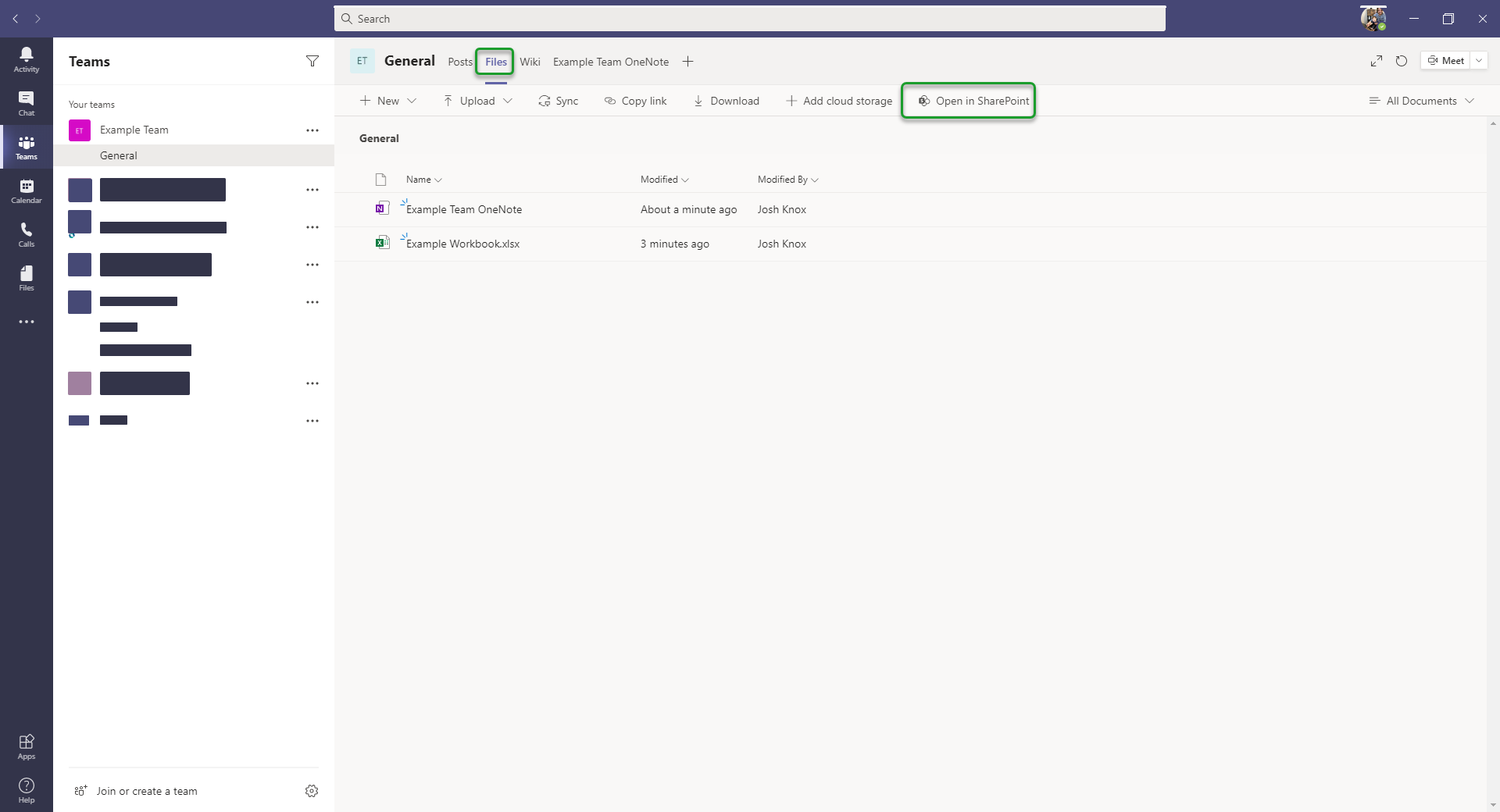
On the Files tab of the Team, click Open in SharePoint
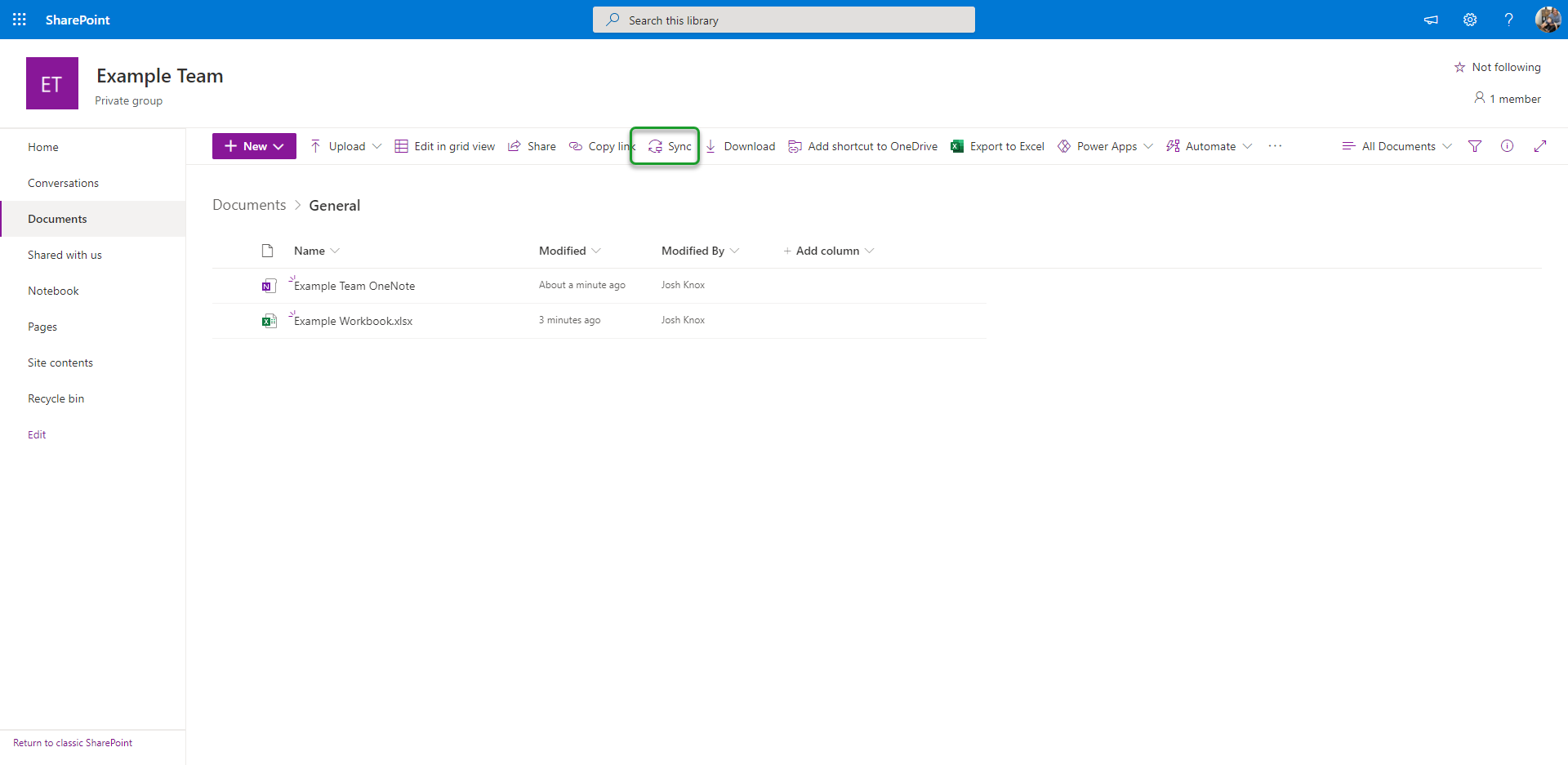
From SharePoint, click Sync
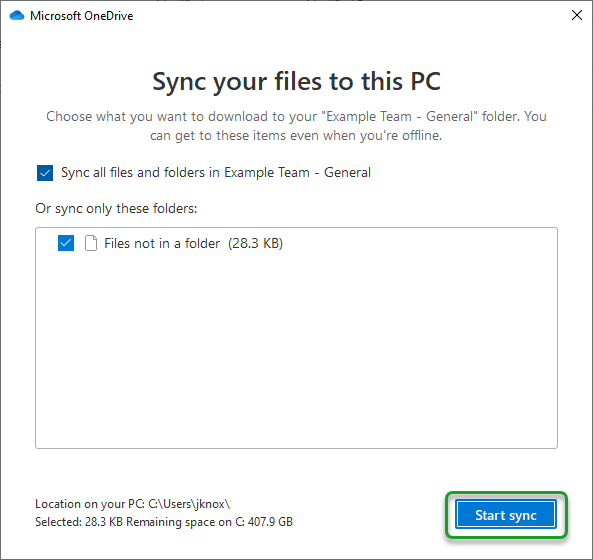
Select the particular files or folders to sync
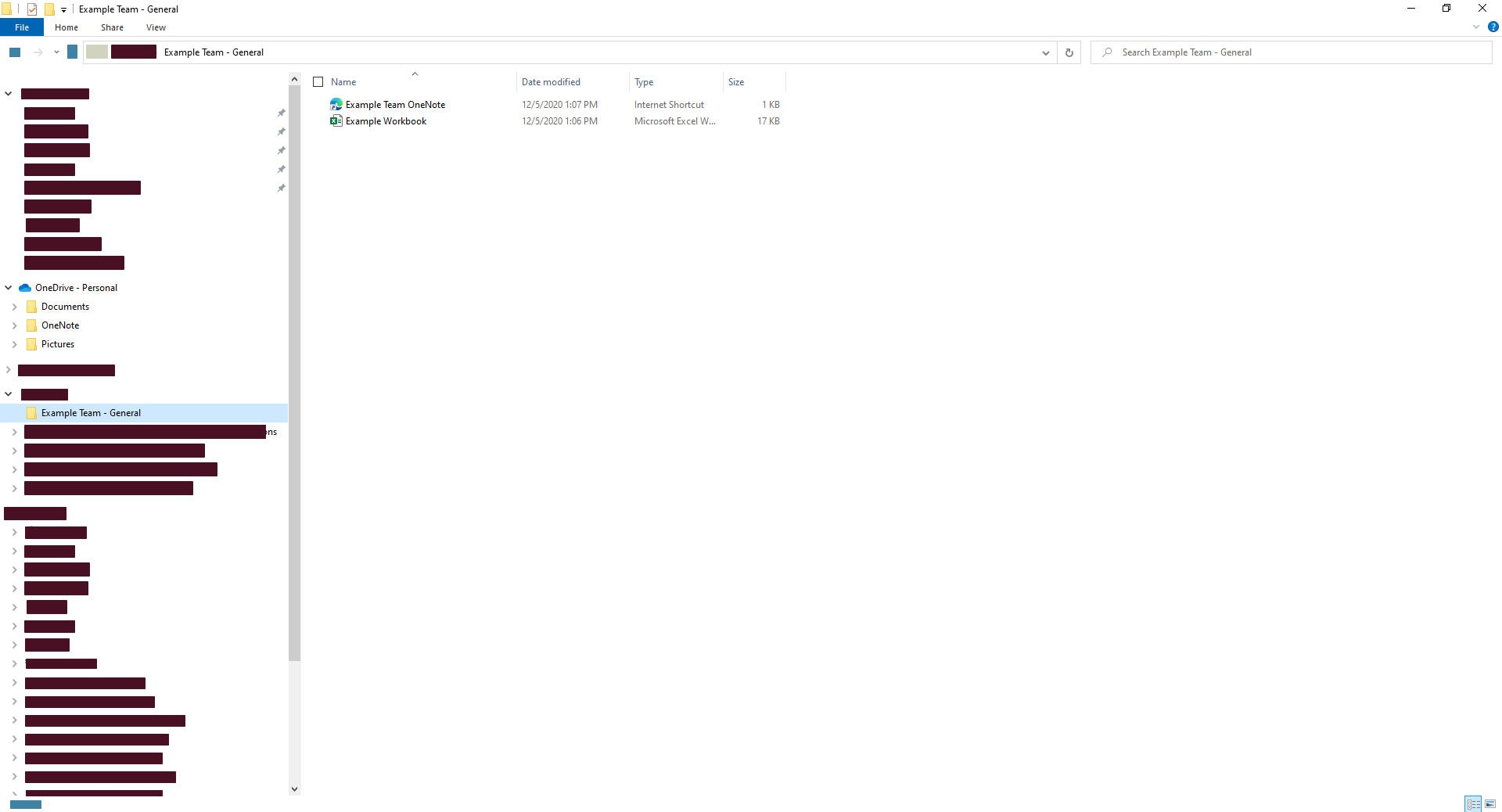
The synced files and folders can now be accessed through File Explorer
File explorer can be quickly accessed using WIN+E. Depending on OneDrive settings, synced files can be saved to the computer’s hard drive for offline access. Changes to synced files will save on the files accessible to the Team.
Other Bicycles for the Mind
Two other tech tools I’m interested in right now are Tiago Forte’s Building a Second Brain knowledge management system and the Roam Research notetaking tool. I’m pretty busy studying for my current project, but I’m looking forward to exploring both when I have some available time in the future.
Speaking of studying – shoutout to Quizlet. Learning new terms from a glossary: boring. Learning new terms from flashcards: fun. I’ve found Quizlet makes it easy to upload and review new terms/definitions, and the mobile app makes it convenient to practice on the go.
There is so much good content on the internet *insert shocked emoji*. Resource Roundup is a series to organize links, ideas, and advice around a specific topic.
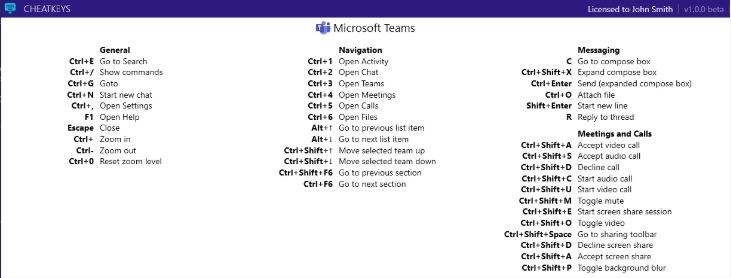
As regular readers will know, I’m a big fan of shortcuts. They are also useful in Microsoft Teams. Below is a helpful hotkey list put together by cheatkeys.com
Live Captions
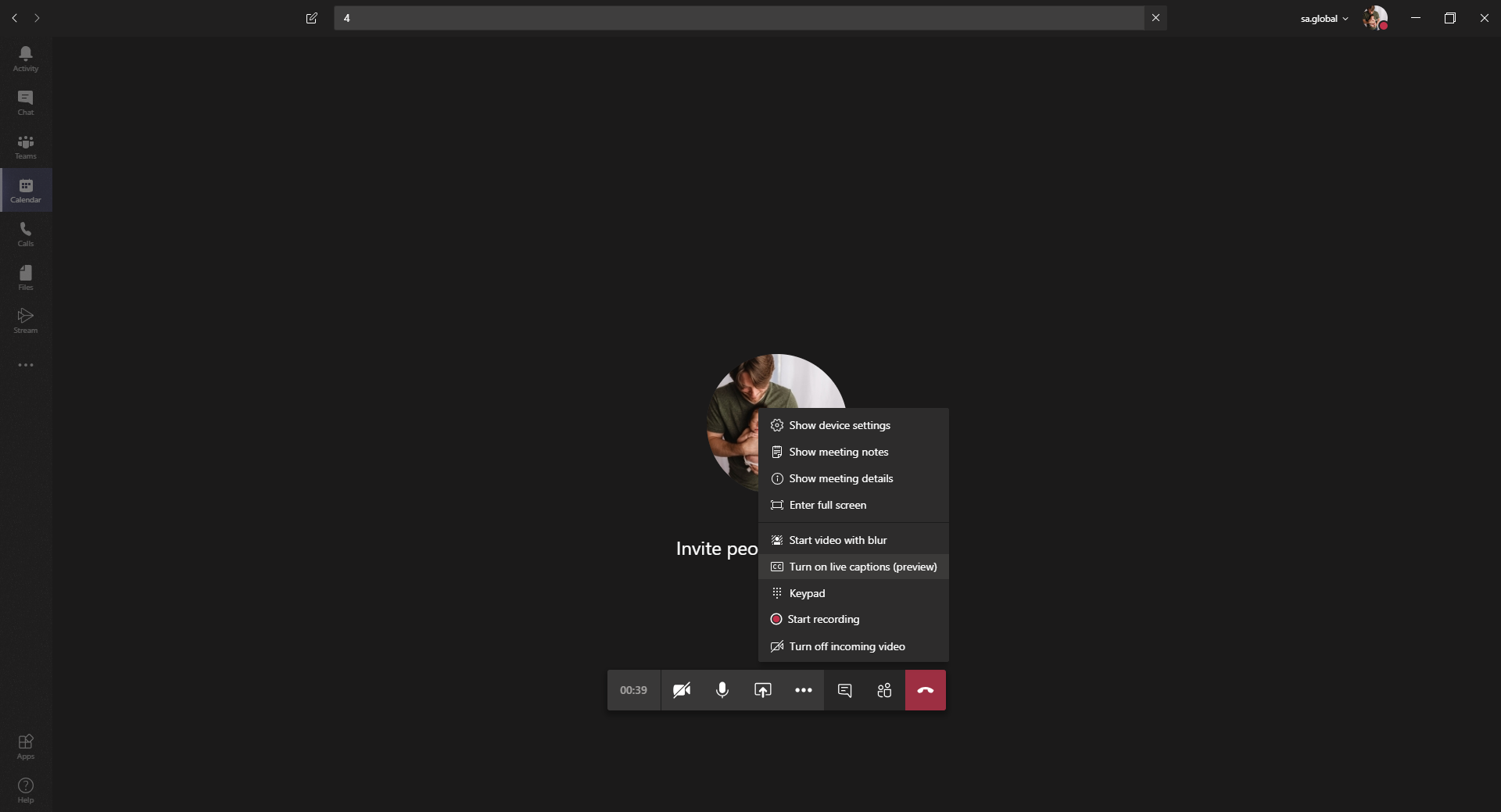
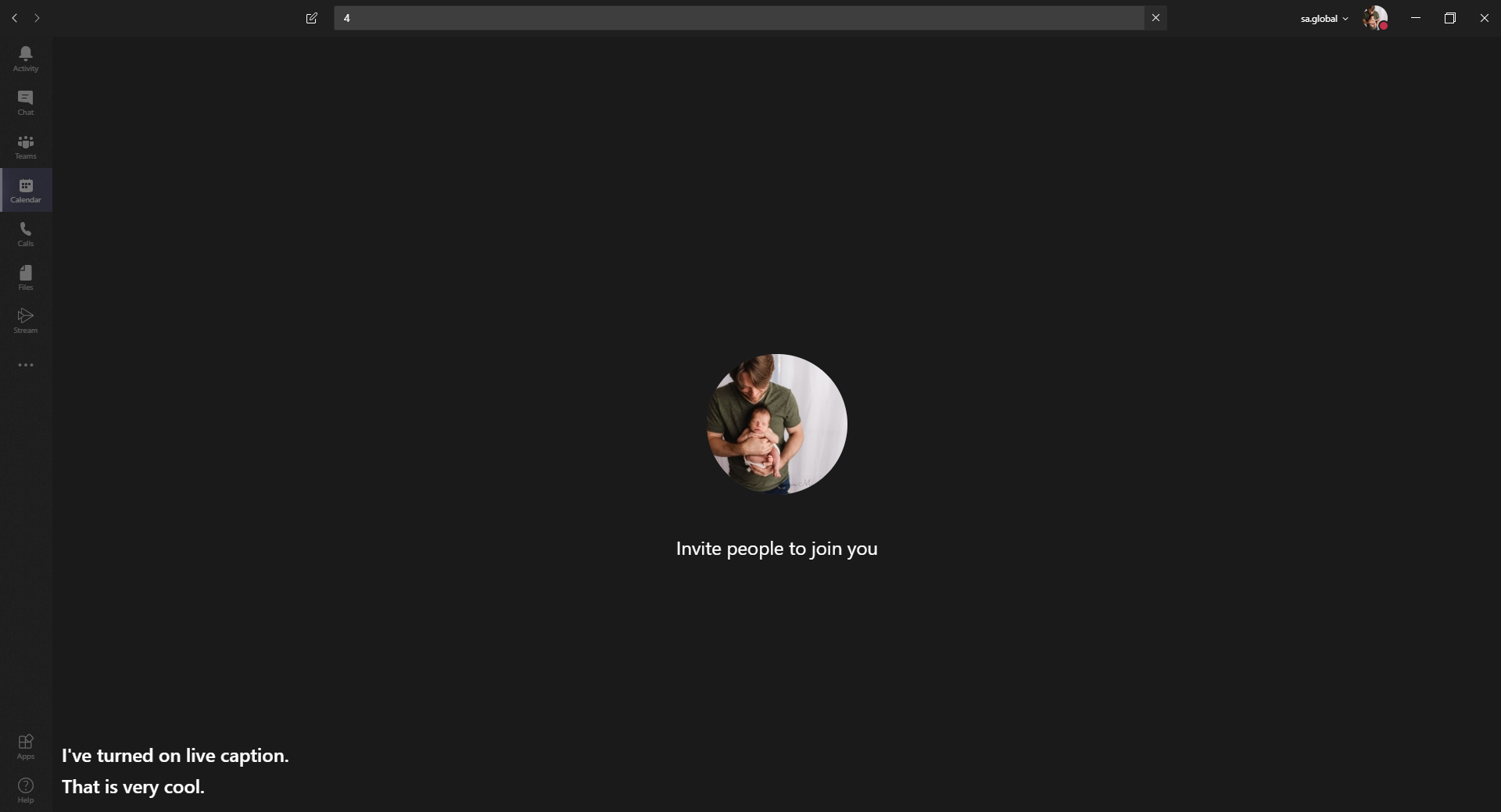
When you click the ellipsis during a meeting, you may notice a new (preview) feature called “Turn on live captions”. Clicking this provides automated captions at the bottom of the screen. These captions are only available in English, and will only be privately visible to you (ie not visible to every one else in the meeting).
Teams Windows Application vs Web Application
If you are reading this, you probably have the Teams windows application (and you might even have the Teams ios or android application). But you can also access teams in any web browser by going to teams.microsoft.com.
One current advantage of using the web application is that you can have multiple instances of Teams open in multiple tabs (or on multiple monitors). Doing so allows you to use chat or access files while following a screen sharing meeting at the same time.
Augmented Reality
Harnessing the power of the Snap Camera, you can throw a little augmented reality into your Teams video calls. Full details on how to set it all up for Teams can be found here.
The Snap Camera comes from Snapchat, and basically adds an augmented reality filter to your computer’s camera then makes it appear to other applications that your camera plus the AR filter is a new camera that can be selected. To be honest, I found most of the filters to be rather juvenile.
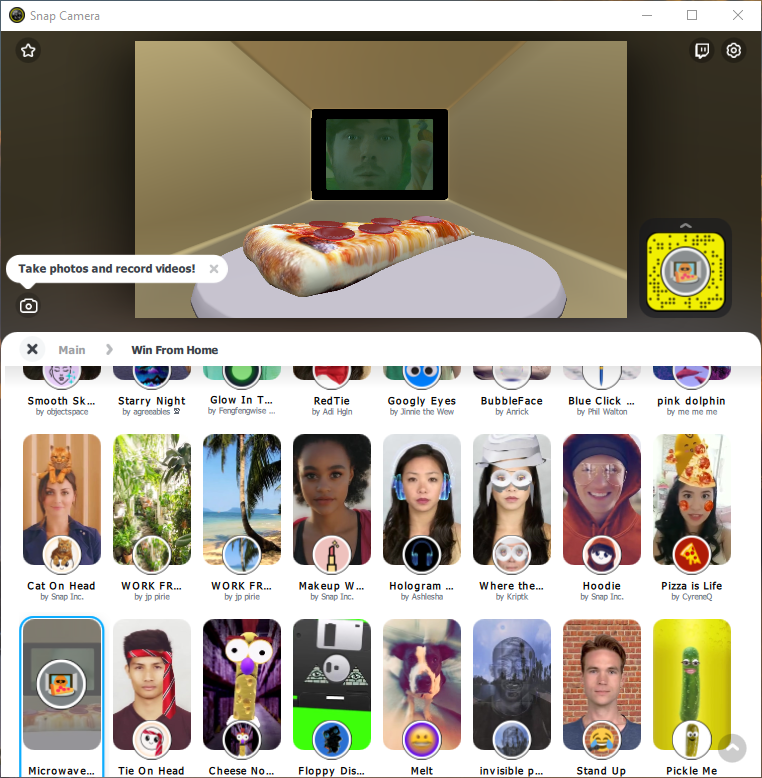
Pizza in Microwave
This is actually a very useful filter, especially since my wife no longer lets me put my camera in the microwave following the incident.
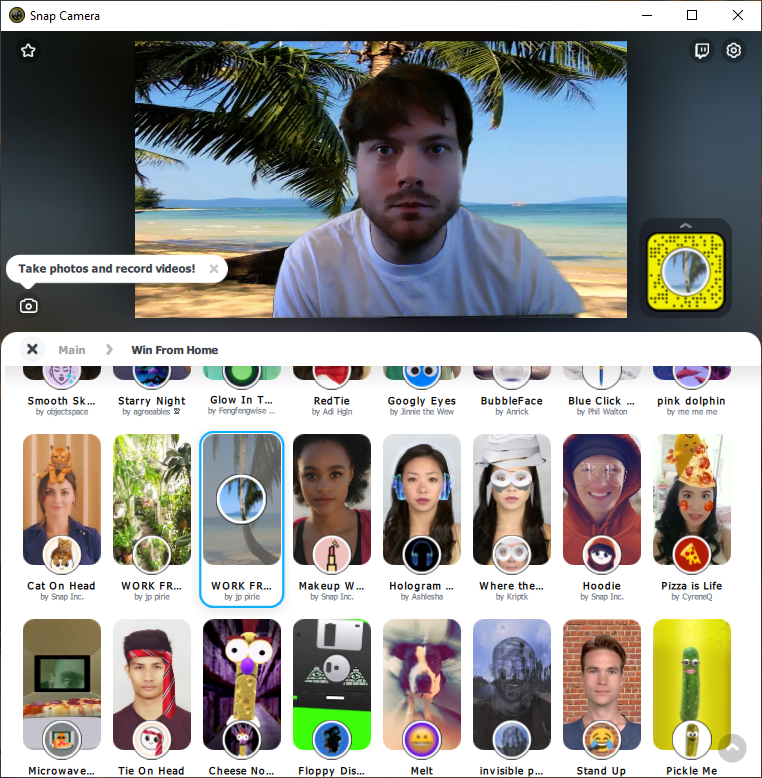
Palm Tree Background
If I wanted a palm tree in my video background, I would just paint a palm tree on my back office wall.
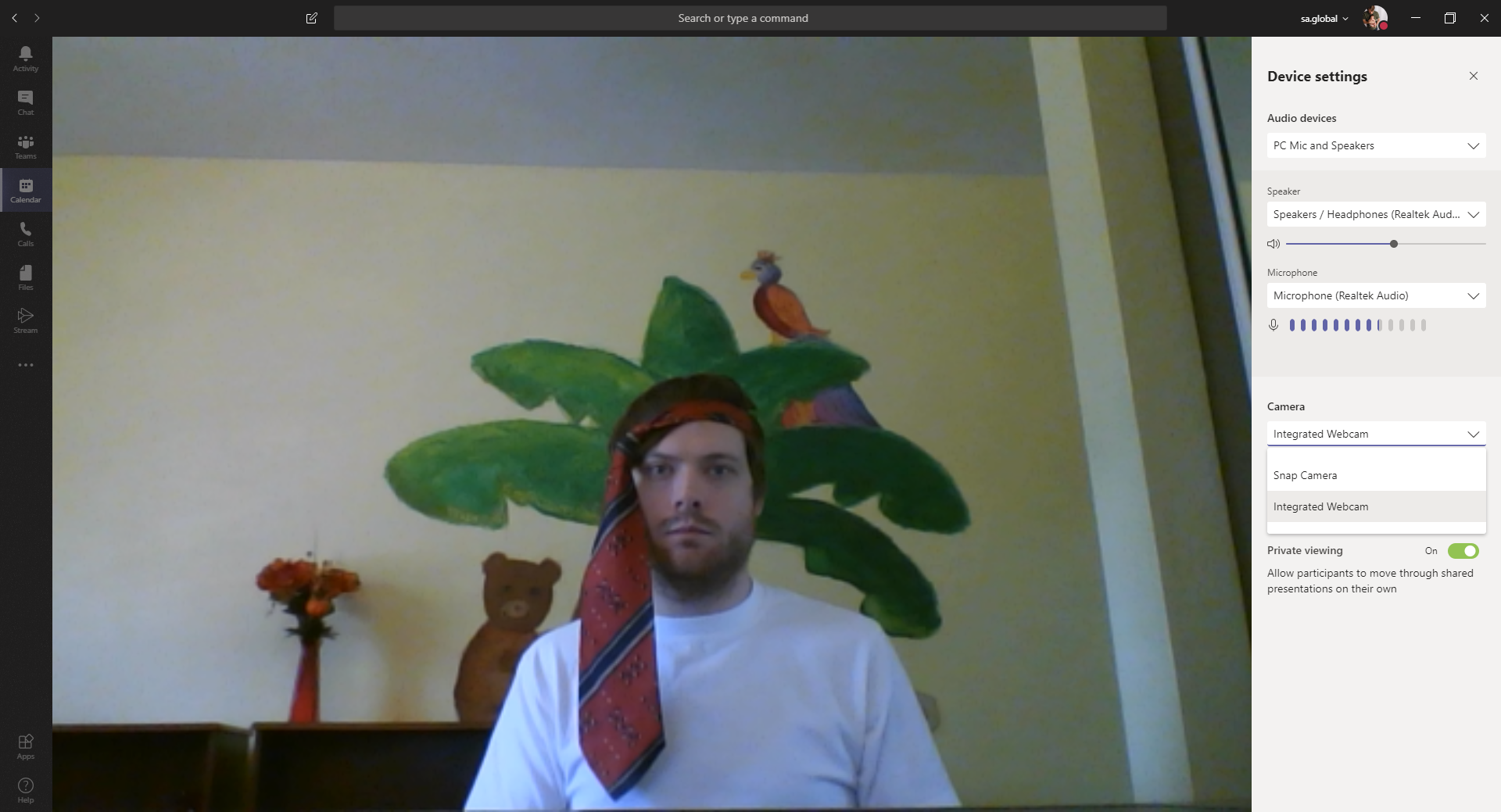
Tie on Head
If I wanted to impress people with a tie on my head during video calls, I would just tie a tie on my head during my video calls.
Let me know when Snap Camera rolls out the Clean-Shaven-Face filter. Then we can start talking about Augmented Reality as a business essential.
There is so much good content on the internet *insert shocked emoji*. Resource Roundup is a series to organize links, ideas, and advice around a specific topic.
With the recent uptick in working from home, Microsoft Teams has also seen increased adoption. More than 12 million daily active users have been added to Microsoft Teams in the last month. Keeping that in mind, below are some Microsoft Teams resources that have popped up in my feed recently and I’ve found helpful.
The most basic functionality of Teams is setting and attending meetings. This is the most clear, concise tutorial I’ve seen explaining Teams meetings. If you’ve never used MS Teams before, I’d recommend starting here.
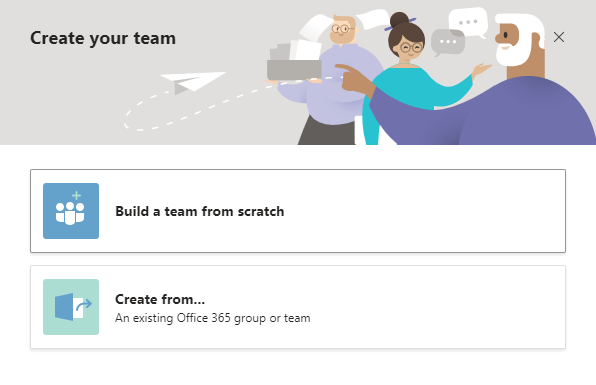
Beyond meetings, the ability to create “Teams” or groups for collaborative communication is where MS Teams shines in comparison to its predecessor communications platforms. This video is part of a great series about the functional mechanics of setting up a Team, as well as the practical questions one should ask themselves when thinking about creating a new team.
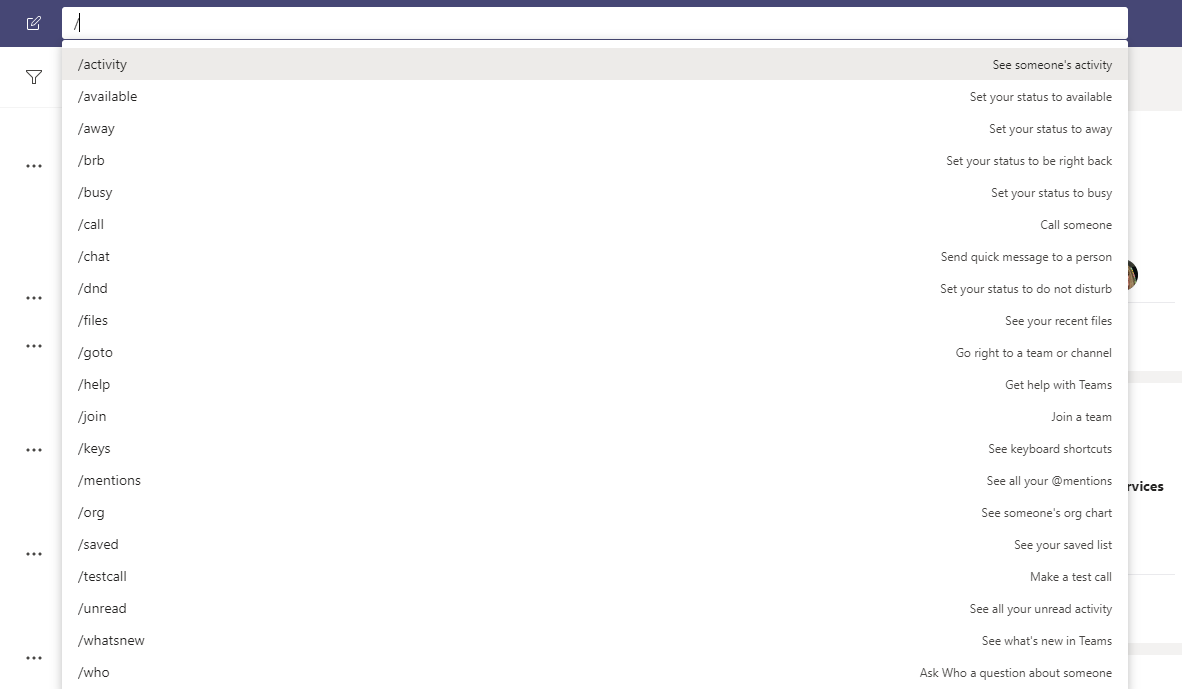
Even though there is a bar at the top of the Teams application encouraging users to type a command, it wasn’t until watching this video that I finally understood what commands were or how they could be used to increase efficiency in Teams.